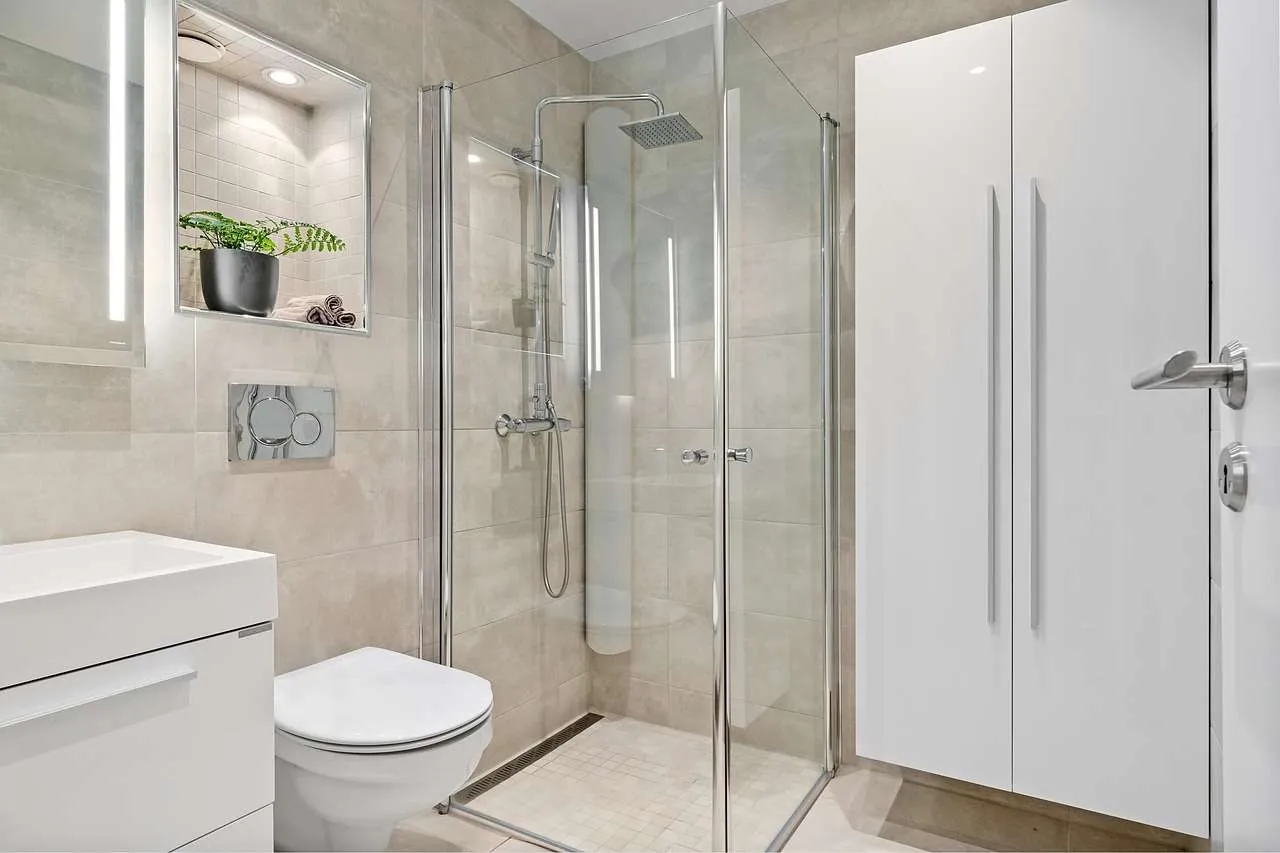
Choosing bathroom tile is more than aesthetics; it defines durability, maintenance, and safety in a moisture-rich space. With over ten years of experience guiding homeowners through tile projects, this article presents practical, field-tested guidance to help you select the right tile, plan layouts, and maintain long-lasting results.
Why bathroom tile matters
Tiles protect walls and floors from water, mold, and wear while shaping the room's look. The best choices combine moisture resistance, slip resistance, and ease of cleaning. Good tile decisions can boost resale value and reduce maintenance costs over time.
Choosing the right tile
Key factors include material, size, finish, color, grout choice, and budget. Start by considering moisture exposure in different zones such as shower walls, shower floors, backsplashes, and bathroom floors.
Material options
Ceramic tiles are affordable and versatile for walls; porcelain tiles are harder and more water resistant, suitable for floors; natural stone tiles like marble or travertine offer luxury but require sealing and ongoing maintenance; glass tiles add shine but can be slippery when wet and require careful grout care; quarry tiles provide a rustic look and durability.
Size and finish
Large format tiles reduce grout lines and can make small bathrooms feel bigger, while small tiles offer better traction on shower floors. Finishes range from matte to high gloss; matte finishes tend to be more slip resistant and easier to hide water spots, but require regular cleaning to prevent soap residue buildup.
Popular tile types
Ceramic
Glazed ceramic tiles are a cost-effective option for showers and walls, with a wide range of colors and patterns.
Porcelain
Porcelain is dense and water resistant, making it ideal for floors and wet areas. It accepts glazes and textures that mimic stone or wood.
Natural stone
Stone such as marble or limestone offers luxury but needs sealing and periodic maintenance to prevent staining and etching.
Glass and metallic tiles
Glass tiles reflect light and can brighten a space. They require careful installation to prevent show-through and may need more frequent grout cleaning.
Patterns and layouts
Popular layouts include subway, herringbone, and basket weave. Large format tiles paired with a running bond or grid pattern create a modern look, while accents and borders can add personality. Plan grout color to balance the tile shade and to minimize staining resistance.
Installation tips
Preparation is essential. Ensure a clean, flat substrate and proper waterproofing in wet zones. Use the right thinset mortar and add a waterproof membrane as recommended by manufacturers. Grout choice and sealing affect long-term maintenance; seal porous stone and grout periodically according to tile type and usage. For DIY projects, follow manufacturer instructions and consider professional help for shower pans and wet areas to ensure a leak-free installation.
Maintenance and cleaning
Regular cleaning with pH neutral cleaners preserves color and grout integrity. Avoid harsh acidic products on natural stone and metal profiles. Reseal stone surfaces and grout periodically according to tile type and usage. Keep grout lines clean by scrubbing gently and regrouting as needed to prevent crumbly joints.
Cost considerations and ROI
Material costs vary widely from economical ceramic to premium natural stone. Labor is a major component of total cost, especially for intricate patterns or complex shower niches. A well-chosen tile can last decades with proper maintenance, improving the bathroom's value and appeal.
Safety and accessibility
Choose non slip finishes for floors, particularly in shower zones. Look for slip resistance ratings and ensure step-free access if needed. Adequate lighting and appropriate grout color can improve visibility and reduce trip hazards.
Tile options at a glance
| Tile type | Pros | Cons | Best uses | Maintenance |
|---|---|---|---|---|
| Ceramic | Affordable; wide colors; easy to cut | Less dense; more susceptible to moisture in wet areas | Walls and bathrooms with moderate moisture | Low to moderate |
| Porcelain | Dense; water resistant; durable | Higher cost; can be hard to cut | Floors and shower floors | Low to moderate |
| Natural stone | Luxurious appearance; unique patterns | Requires sealing; staining risk | Bathrooms with premium design | Periodic resealing |
| Glass | Reflects light; modern look | Slippery when wet; visible grout lines | Backsplashes; accent walls | Regular cleaning |
| Large format porcelain | Fewer grout lines; modern look | Weight and substrate prep | Flooring and expansive walls | Low |
Conclusion, selecting bathroom tile involves balancing aesthetics, performance, and upkeep. By understanding material properties, maintenance needs, and layout options, you can choose a tile that looks appealing now and performs well for years to come. The right advice comes from practical experience, manufacturer guidelines, and professional installation when needed for wet zones. A thoughtful plan helps you achieve a durable, low maintenance, and beautiful bathroom.